All species › Sandgrouse › Sandgrouse › Pallas's sandgrouse
Pallas's sandgrouse
Syrrhaptes paradoxus | Steppehoen | Ganga de Pallas
A sandgrouse of the Central Asian steppe that several times in the nineteenth century moved west in enormous numbers, bred in Britain and the Netherlands and then withdrew again. It is now one of the rarest vagrants on the continent, and a European record depends entirely on an exceptional year.
Voice
In flight a low, rattling, slightly nasal kuck-kuck-eruck, repeated in short cackling series. The wings also whistle audibly, a sharp hissing rush that betrays a flock before it comes into view. Silent on the ground.
No freely licensed recording is available for this species yet.
Identification
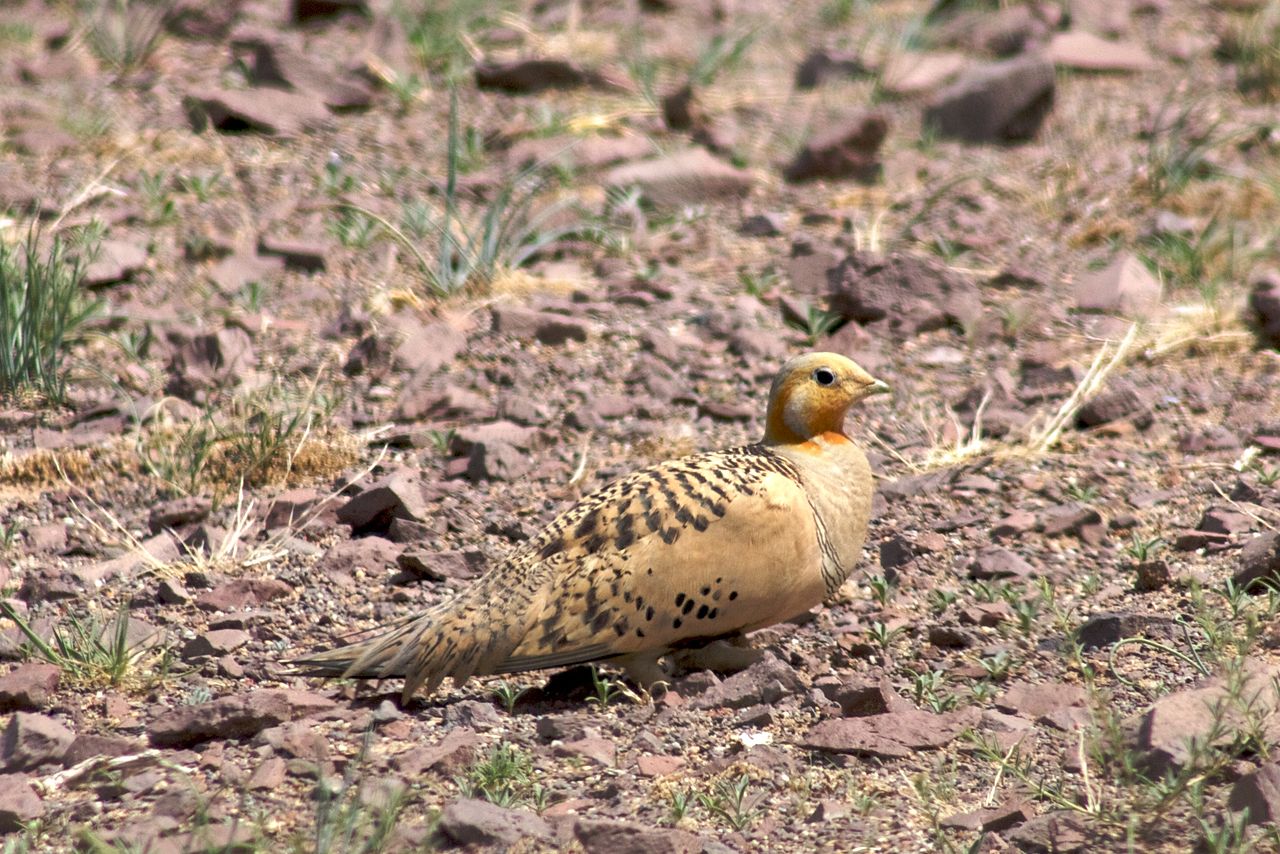
A pale, sandy-ochre bird with an orange face, grey nape and finely black-barred upperparts, marked underneath with a sharply defined black belly patch. The central tail feathers and the outer primary are drawn out into long fine points, so the silhouette tapers both behind and at the wingtip. The legs are feathered right down onto the toes; there is no hind toe and the three forward toes are joined into a single pad, so the foot looks more like a small paw than a bird's foot.
Confusion species
Separated from the two Iberian sandgrouse by the elongated wing and tail points and by the whole shape: Pallas's looks paler, longer and sharper and lacks any strong breast pattern. Pin-tailed Sandgrouse has a white belly and a chestnut breast band; Black-bellied also has a black belly but is bulkier, darker above, short and blunt in the tail and carries a black line across the lower breast. At range a passing bird can suggest a pigeon or a partridge, so watch for the quick flicking wingbeats and listen for the whistling wings.
Habitat
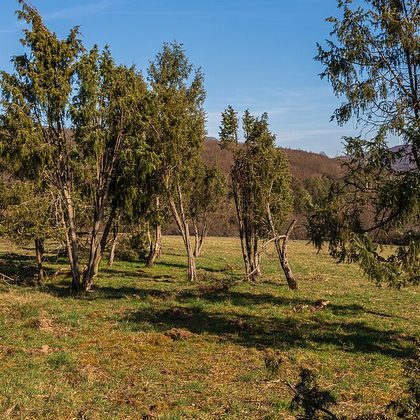
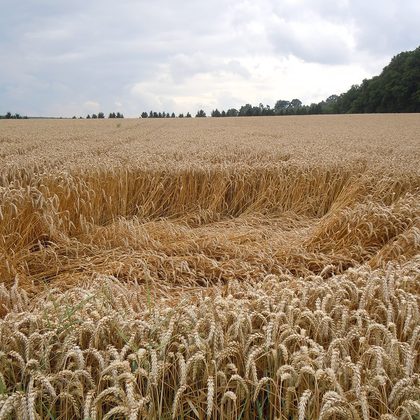
Dry grass steppe, gravel and sand desert with sparse cover, and in winter stubble and fallow. It nests on flat open ground and commutes long distances to water each day. The European birds of the irruption years were found on dunes, sandy flats, heaths and freshly harvested fields.
Where the bird is most at home, classified with EUNIS — the European standard for habitats.

Range and movements
Breeds on the steppes of Kazakhstan, Mongolia, southern Siberia and northern China. In the spring and summer of 1863, 1888 and 1908 the species pushed west in numbers, reaching Fennoscandia, Ireland and even Spain, and nests were found in western Europe in 1888 and 1889, including in Britain. Since 1908 the irruptions have not returned and records involve single birds, almost all in eastern Europe.
Where and when to look
There is no method for finding this species in western Europe; the most recent British records are more than three decades old and Dutch ones more than a century. To see one, travel to the steppes of eastern Kazakhstan or the Gobi and watch drinking pools in the first hours of daylight. If an eastern influx is ever reported again, the places to check are coastal dunes and newly harvested fields, which is where the birds settled before.
Conservation status
Not globally threatened; the Central Asian core population is large but fluctuates strongly with winter severity and grazing pressure. The western part of the breeding range in West Siberia has contracted, which together with changed steppe farming is the usual explanation for the absence of new irruptions. On the ground the birds are vulnerable to hunting and to disturbance at water.