All species › Pelicans, herons and ibises › Herons and bitterns › Striated heron
Striated heron
Butorides striata | Mangrovereiger | Garcita estriada
The Striated Heron is the Old World counterpart of the Green Heron: the same small hunched shape and the same heavy bill, but a grey neck instead of a chestnut one. In the south-eastern corner of this guide's map it is no stray at all, but a resident bird of Red Sea shorelines, Gulf creeks and the banks of the Nile.
Voice
Mostly quiet. The standard call is a sharp, explosive kyeeuk, given on flying up and doubling as an alarm; a disturbed bird may add a hard, clicking tchuk-tchuk. Around the nest the birds are noisier, with a rasping skeow and low grunting notes. On a quiet Red Sea shore the call carries well and is often the first sign that a bird has slipped off a rock.
Recording: Yeo SB — CC BY-SA 4.0 · Wikimedia Commons
Identification
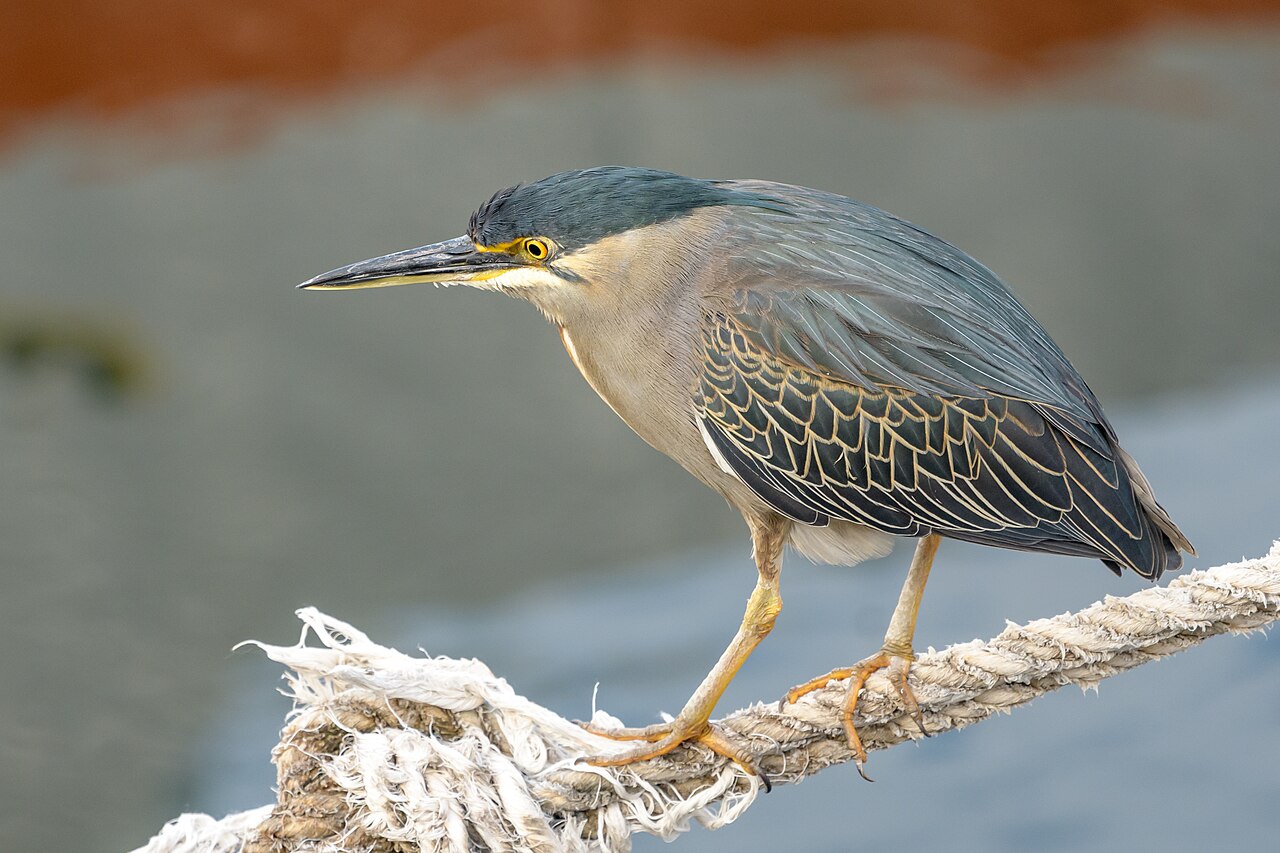
Small, thickset and short legged, with a big flat head, a shaggy dark crown raised into a crest when the bird is alert, and a long, heavy dagger bill. The adult has a grey to grey-buff neck and breast with a narrow whitish line down the centre of the throat, dark slate-green upperparts, and wing coverts neatly edged cream to buff — the striations that give the bird its name. Lores yellow-green, legs dull yellow to orange. Red Sea birds of the race brevipes are paler and sandier than African and Asian ones. Juveniles are browner, heavily streaked buff on neck and breast, with buff spots at the covert tips. In flight: round wings, hunched neck, quick shallow beats, toes barely past the tail.
Confusion species
The Green Heron is the one to rule out, and the two have been treated as separate species only since the 1990s. An adult Green Heron has a deep chestnut neck; a Striated Heron's neck is grey, at most washed buff. Young birds are harder, and a young Green Heron is warmer and rustier on the wing coverts. Little Bittern is smaller and shows a large pale covert panel against black flight feathers. A juvenile Night Heron is far bulkier and marked with large white droplets. Squacco Heron shows startling white wings in flight, and Western Reef Heron is much longer legged and longer necked.
Habitat
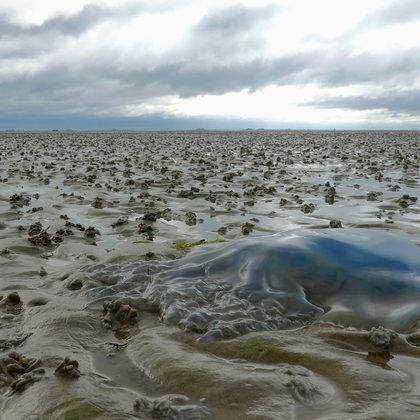
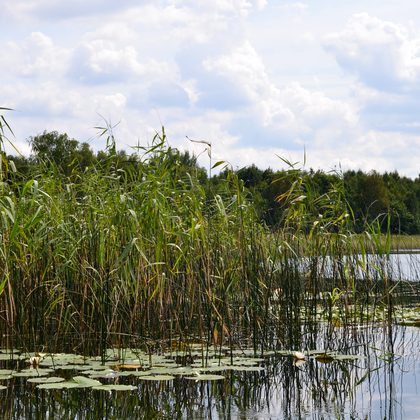
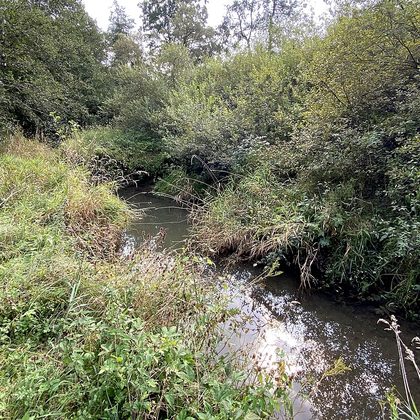
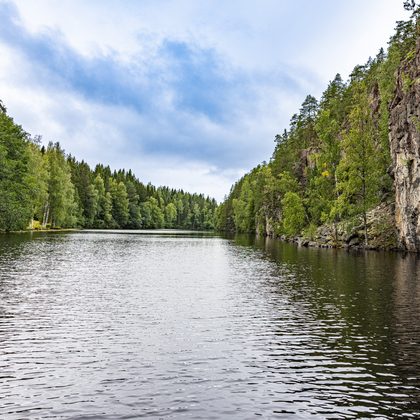
Sheltered salt, brackish and fresh water with cover or structure at the edge: mangrove creeks, reef flats and rocky shores at low tide, tidal mudflats, harbour walls, jetties and mooring ropes, and along the Nile the reed edges, moored boats and irrigation channels. It hunts alone and quietly, crouched on a mangrove root, a rock or a rope, and will stand motionless for many minutes at a time.
Where the bird is most at home, classified with EUNIS — the European standard for habitats.

Range and movements
For this guide the species belongs to the south-eastern corner of the map. The race brevipes is resident along the Red Sea coasts of Egypt, Sudan, Eritrea, Djibouti, Saudi Arabia and Yemen and around the Gulf, and it reaches the Israeli coast and the Nile valley as far up as Luxor. Other races cover most of Africa, southern Asia and Australia, and one covers South America. In Europe and the western Mediterranean it is at best an exceptional stray, so this is a bird our readers meet on a trip rather than at home.
- Winter
- Passage
- dark = core range, pale = thinly spread
Where and when to look
On the Red Sea coast, walk a stretch of reef flat or a mangrove creek in the two hours after high water, when the falling tide brings the herons down onto the exposed rock. They perch on mooring ropes, jetties and boat rails around dive centres and hotel piers, often at very close range, and a bird standing still on dark wet rock is easy to walk straight past. At Luxor, scan the reed edges and the moored feluccas from the Nile bank at first light.
Conservation status
Not globally threatened (IUCN: Least Concern); the species is widespread and common across the tropics. The Red Sea and Gulf population is small but appears stable, and the main pressure on it is coastal building: the clearing of mangrove stands and the hardening of shorelines for resorts, marinas and harbours. Where mangrove is left standing the birds do well, and they take readily to jetties and moorings as substitute perches.